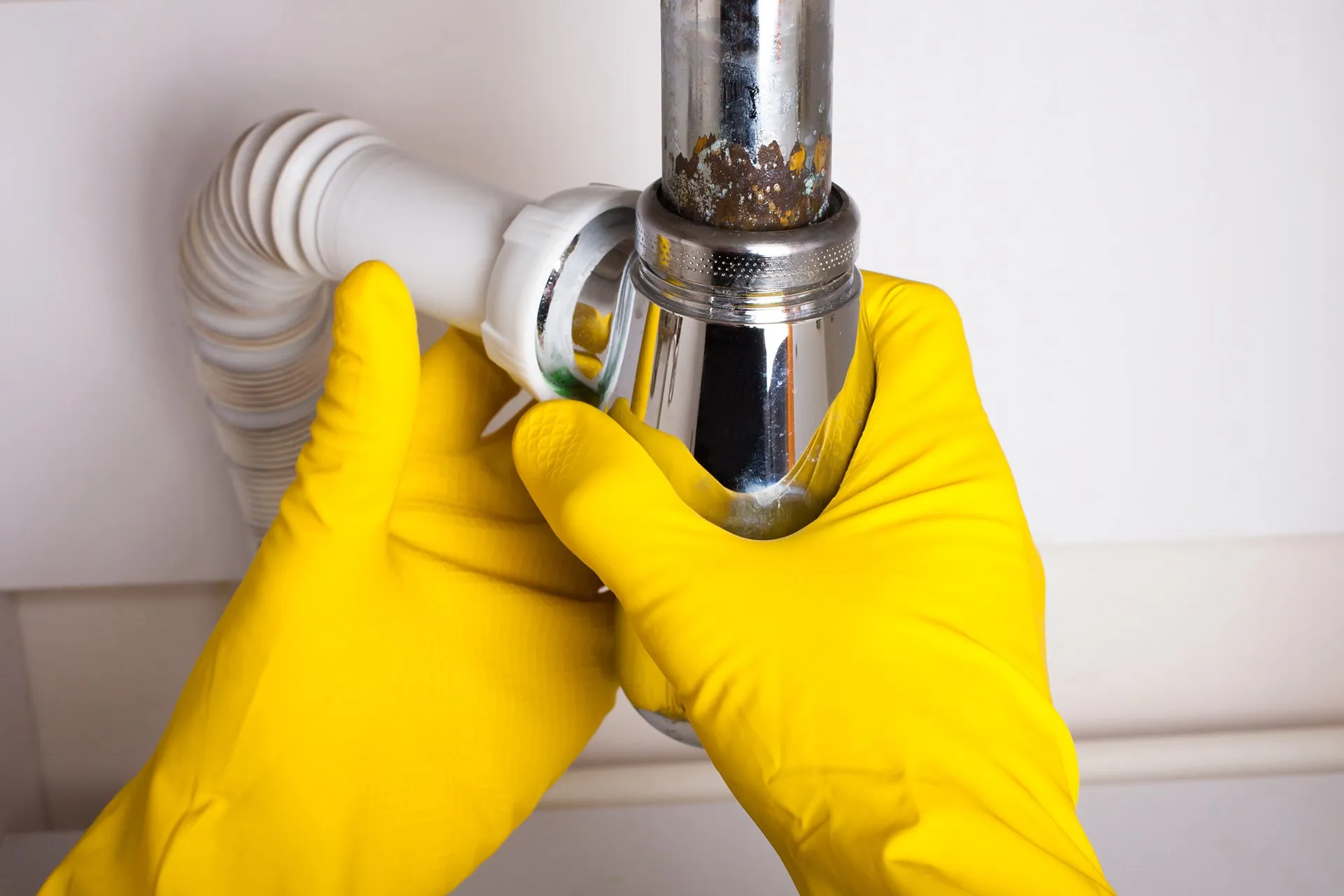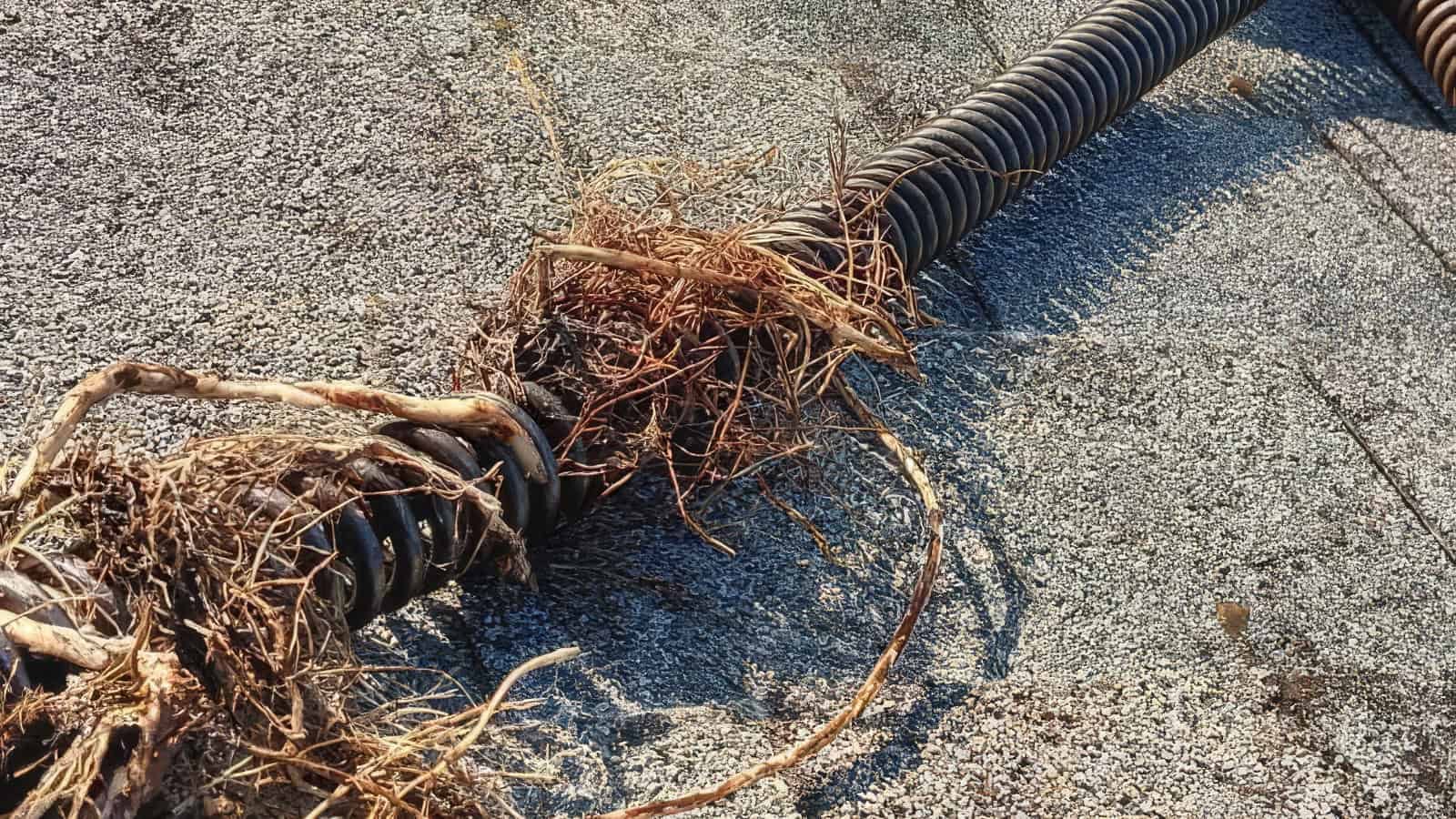
Most serious drain disasters do not come out of nowhere. Your plumbing usually gives you warning signs — slow drains, strange sounds, or bad smells — long before you are standing in a few inches of dirty water in your basement. For a lot of All Service Drain customers, the story starts with “things were a little slow for a while” and ends with an urgent call when the basement floor drain finally backs up. The key is knowing what those signs mean and acting before a small problem turns into an expensive emergency.
For homeowners and small‑business owners across St. Louis, paying attention to these early clues can save both time and money. With older pipes, tree roots, and heavy day‑to‑day use, drains here take a lot of abuse. When something feels “off,” it often deserves a closer look.
1. Slow‑draining sinks, tubs, or showers
A sink that used to drain quickly but now takes forever to empty is one of the most common early warning signs. The same is true for tubs and showers where water pools around your feet.
Common causes include:
-
Hair and soap scum buildup in bathroom drains
-
Grease and food particles in kitchen drains
-
Mineral deposits and general debris in older pipes
If just one drain is slow, you might be dealing with a small, local clog. When multiple drains slow down around the same time — especially on lower levels — it may point to a developing problem in your main line.
Our technicians often hear some version of, “It started with one slow sink, then the tub and kitchen got weird too,” shortly before a bigger backup. Treating slow drains as an early warning instead of a minor annoyance is one of the easiest ways to avoid emergencies.
2. Gurgling sounds from drains or toilets
If you flush a toilet or run water in a sink and hear gurgling from another drain, your plumbing may be struggling to breathe. That sound often means air is trapped in the system because water is not flowing smoothly through the pipes.
Gurgling can indicate:
-
A partial blockage forming in the main drain or sewer line
-
Buildup narrowing the pipe so air and water fight for space
-
Early root intrusion in older lines
These noises are your system’s way of telling you it is under stress. Ignoring them can lead to full backups later.
3. Frequent clogs that keep coming back
Every home gets a clog now and then, especially in bathrooms with lots of hair or in busy kitchens. But if you are plunging the same toilet or clearing the same sink over and over, the real problem is probably deeper in the line.
Recurring clogs often mean:
-
A larger blockage is catching new material each time you use the drain
-
Grease or scale buildup has narrowed the pipe
-
There is a crack, offset, or root intrusion that is snagging debris
In these cases, a quick DIY fix just punches a temporary hole through the blockage. Our All Service Drain team regularly sees situations where homeowners have tried multiple DIY fixes, only to call when “nothing seems to last more than a few days.” A professional cleaning is needed to restore full flow and stop the cycle.
4. Water backing up in floor drains or lower‑level fixtures
One of the most serious warning signs is water coming up where it should be going down — especially in basement floor drains, showers, or lower‑level toilets. This can happen when you run the washing machine, take a shower, or even use another fixture upstairs.
Backups in low points almost always point to an issue in the main drain or sewer line. Common causes include:
-
Heavy buildup or solid blockages
-
Tree roots breaking into the line
-
Collapsed or sagging sections of pipe
When you see this, call a professional right away. Waiting can lead to more extensive water damage and higher cleanup costs.
Many All Service Drain customers describe almost the same scenario: a basement floor drain backing up late at night or first thing in the morning, followed by a fast visit from one of our technicians to clear the main line and get everything flowing again. In most of those cases, the backup could have been avoided if earlier warning signs had been checked.
5. Persistent sewer or drain odors
Unpleasant smells around drains, in the basement, or near a floor drain are more than just embarrassing. They can be a sign that wastewater is not moving properly, or that buildup is rotting inside your pipes.
Odors can indicate:
-
Organic material stuck and decomposing inside the line
-
Partial blockages causing waste to sit too long
-
Venting issues or a more serious sewer line problem
While a little smell from a rarely used drain might be solved by running water to refill a trap, recurring or strong sewer odors are a good reason to schedule a professional cleaning and inspection. Customers often mention that bad smells disappeared once the line was properly cleared and flowing again.
6. Wet spots or lush patches in the yard
If part of your yard is unusually soggy, or you notice one strip of grass that stays greener and thicker than the rest, your sewer line could be leaking underground. While this is a more advanced sign, it is still a warning before a total failure or major collapse.
In St. Louis, older sewer laterals and tree roots are common culprits. A camera inspection through a cleanout can show whether waste is escaping into the soil and where repairs might be needed.
7. It has been more than a year since your last cleaning
Sometimes the warning sign is time itself. If you live in an older home, have a lot of people using your plumbing, or have had clogs in the past, waiting years between cleanings is a gamble.
An annual professional cleaning and inspection can:
-
Clear out the everyday buildup that collects in any busy household
-
Catch early problems, like roots or cracks, before they cause backups
-
Extend the life of your pipes and reduce the risk of big, surprise repair bills
Think of it like an oil change for your drain and sewer system — routine care that keeps everything running smoothly. Many of our repeat customers sign up for yearly visits after experiencing one major backup and deciding they never want to deal with that kind of mess again.
How professional cleaning helps prevent emergencies
When you call All Service Drain before disaster strikes, our team can:
-
Use powerful tools to remove buildup and blockages completely
-
Perform a sewer camera inspection to check for deeper issues
-
Recommend realistic next steps based on what they see in your specific line
For St. Louis homeowners, working with a local company that understands older homes, basements, and common root problems means better solutions and advice tailored to this area. Reviews from customers across the metro frequently highlight our quick response, clear explanations, and fair pricing when tackling these kinds of problems.
When to pick up the phone
If you recognize any of these warning signs in your home or business, do not wait for the “big one” to hit. This is especially true if you have:
-
A history of backups or root problems
-
A finished basement or valuables in lower‑level areas
-
Guests coming or events where you cannot afford plumbing issues
Scheduling a cleaning now is almost always cheaper and less stressful than dealing with an emergency later.
What to do if you’re seeing these warning signs
If you are noticing slow drains, gurgling sounds, recurring clogs, or backups in your St. Louis home, it is better to address them now than hope they go away on their own. Reach out to All Service Drain to schedule professional drain cleaning in St. Louis, and ask how an annual drain maintenance plan can help keep your drains flowing and your home protected year‑round.